

A quick word before we start: this Sunday’s worksheet is a one-time gift to every free subscriber, as part of the Spring Promotion that ends Tuesday. The entire worksheet is open today, audio at both speeds, transcripts, parallel text, grammar, learning notes, vocabulary lists. Normally only paid subscribers get the full version. Today, everyone does.
If you tried yesterday’s translation worksheet, this is the other half of the practice. Translation builds the producing side, comprehension trains the understanding side. Together they close the gap between recognizing Mandarin and actually using it.
The bonus 了 chapter from my upcoming grammar book is also included for anyone who subscribes before tonight at 23:59 PT. After tonight the chapter is gone, but the promo continues until Tuesday.
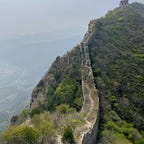
I’d been to the Great Wall once before in 2011, which was mostly standing in line with thousands of tourists, so when my colleague mentioned a section two hours from Beijing where nobody goes, I didn’t need much convincing.
Level: HSK 4-5 (prefer something easier? HSK 2-3-4 version here)
Only interested in the Easy worksheets? You can opt out of Advanced lessons here.
Today, everyone gets everything.
Slow audio, full transcripts, grammar breakdowns, learning notes, vocabulary lists. The whole worksheet, free for all subscribers as part of the Spring Promotion.
Hit play and see how much you can catch.
Written from Beijing
🎯 HSK Comprehension Test
我为什么这次选择去野长城而不是普通的旅游景点?
我為什麼這次選擇去野長城而不是普通的旅遊景點?因为野长城的门票比较便宜
因為野長城的門票比較便宜因为那里离北京更近,更方便
因為那裡離北京更近,更方便因为我想避开游客,体验不一样的长城
因為我想避開遊客,體驗不一樣的長城因为我的同事是当地人,可以免费住宿
因為我的同事是當地人,可以免費住宿
我说这段长城“特别真实,特别有历史感”,主要想表达什么?
我說這段長城「特別真實,特別有歷史感」,主要想表達什麼?未经修复的原貌让人感受到真正的历史
未經修復的原貌讓人感受到真正的歷史这段长城的历史比其他地方更悠久
這段長城的歷史比其他地方更悠久这里的石头保存得特别完整
這裡的石頭保存得特別完整当地人讲了很多历史故事
當地人講了很多歷史故事
从文章来看,这次旅行最让我满意的地方是什么?
從文章來看,這次旅行最讓我滿意的地方是什麼?客栈老板特别热情,服务很好
客棧老闆特別熱情,服務很好认识了很多新朋友
認識了很多新朋友爬山的路不太陡,很容易爬
爬山的路不太陡,很容易爬远离城市,在大自然中感到放松
遠離城市,在大自然中感到放鬆
我在爬山过程中的心情变化是怎样的?
我在爬山過程中的心情變化是怎樣的?从放松到紧张,最后感到害怕
從放鬆到緊張,最後感到害怕越爬越失望,后悔来这里
越爬越失望,後悔來這裡从觉得辛苦到认为非常值得
從覺得辛苦到認為非常值得一直都很轻松,没有感到累
一直都很輕鬆,沒有感到累
🀄 全文记录 | Full Chinese Transcript
野长城之旅
两个星期前,我终于又去了长城。其实2011年我来中国旅游的时候已经去过一次,但那时候是跟学校一起去的,去的是游客特别多的地方。这次,我想去一个不一样的地方。
我的一个同事知道一个特别的地方,离北京大概两个小时。那里有一段“野长城”,就是没有被修复的老城墙。虽然官方不让去,但当地人好像默默接受了游客来这里。
我们周六一早出发,到了一个小村子。村子里有一家小客栈,老板是当地人,特别热情。放下行李以后,我们就开始爬山了。
天啊,那条路真的好陡!而且那天特别热,我走了十分钟就开始流汗。不过,当我终于看到长城的时候,所有的累都值了。
这段长城没有被翻新过,石头上长满了草,有些地方已经塌了。但正因为这样,感觉特别真实,特别有历史感。站在城墙上往远处看,到处都是山,一个游客都没有,安静极了。
离开北京,离开城市的喧闹,在大自然里走一走,真的让人觉得特别放松。这个周末,虽然累,但是太值得了。
🀄 繁體全文 | Full Traditional Transcript
野長城之旅
兩個星期前,我終於又去了長城。其實2011年我來中國旅遊的時候已經去過一次,但那時候是跟學校一起去的,去的是遊客特別多的地方。這次,我想去一個不一樣的地方。
我的一個同事知道一個特別的地方,離北京大概兩個小時。那裡有一段「野長城」,就是沒有被修復的老城牆。雖然官方不讓去,但當地人好像默默接受了遊客來這裡。
我們週六一早出發,到了一個小村子。村子裡有一家小客棧,老闆是當地人,特別熱情。放下行李以後,我們就開始爬山了。
天啊,那條路真的好陡!而且那天特別熱,我走了十分鐘就開始流汗。不過,當我終於看到長城的時候,所有的累都值了。
這段長城沒有被翻新過,石頭上長滿了草,有些地方已經塌了。但正因為這樣,感覺特別真實,特別有歷史感。站在城牆上往遠處看,到處都是山,一個遊客都沒有,安靜極了。
離開北京,離開城市的喧鬧,在大自然裡走一走,真的讓人覺得特別放鬆。這個週末,雖然累,但是太值得了。


🔤 中英对照 | Chinese-English Parallel Text
野长城之旅
野長城之旅
Yě Chángchéng zhī lǚ
A Trip to the Wild Great Wall两个星期前,我终于又去了长城。
兩個星期前,我終於又去了長城。
Liǎng gè xīngqī qián, wǒ zhōngyú yòu qù le Chángchéng.
Two weeks ago, I finally went to the Great Wall again.其实2011年我来中国旅游的时候已经去过一次,但那时候是跟学校一起去的,去的是游客特别多的地方。
其實2011年我來中國旅遊的時候已經去過一次,但那時候是跟學校一起去的,去的是遊客特別多的地方。
Qíshí èr líng yī yī nián wǒ lái Zhōngguó lǚyóu de shíhou yǐjīng qù guò yí cì, dàn nà shíhou shì gēn xuéxiào yìqǐ qù de, qù de shì yóukè tèbié duō de dìfang.
Actually, I had already been once in 2011 when I came to China to travel, but at that time I went with the school, and it was a place with particularly many tourists.这次,我想去一个不一样的地方。
這次,我想去一個不一樣的地方。
Zhè cì, wǒ xiǎng qù yí gè bù yíyàng de dìfang.
This time, I wanted to go to a different place.我的一个同事知道一个特别的地方,离北京大概两个小时。
我的一個同事知道一個特別的地方,離北京大概兩個小時。
Wǒ de yí gè tóngshì zhīdào yí gè tèbié de dìfang, lí Běijīng dàgài liǎng gè xiǎoshí.
One of my colleagues knew of a special place, about two hours from Beijing.那里有一段“野长城”,就是没有被修复的老城墙。
那裡有一段「野長城」,就是沒有被修復的老城牆。
Nàlǐ yǒu yí duàn “Yě Chángchéng”, jiù shì méiyǒu bèi xiūfù de lǎo chéngqiáng.
There is a section of “Wild Great Wall” there, that is an old wall that hasn’t been restored.虽然官方不让去,但当地人好像默默接受了游客来这里。
雖然官方不讓去,但當地人好像默默接受了遊客來這裡。
Suīrán guānfāng bú ràng qù, dàn dāngdì rén hǎoxiàng mòmò jiēshòu le yóukè lái zhèlǐ.
Although officially it’s not allowed to go there, the local people seem to have silently accepted tourists coming here.我们周六一早出发,到了一个小村子。
我們週六一早出發,到了一個小村子。
Wǒmen zhōuliù yì zǎo chūfā, dào le yí gè xiǎo cūnzi.
We set out early Saturday morning and arrived at a small village.村子里有一家小客栈,老板是当地人,特别热情。
村子裡有一家小客棧,老闆是當地人,特別熱情。
Cūnzi lǐ yǒu yì jiā xiǎo kèzhàn, lǎobǎn shì dāngdì rén, tèbié rèqíng.
There was a small inn in the village, the owner was a local person, and very welcoming.放下行李以后,我们就开始爬山了。
放下行李以後,我們就開始爬山了。
Fàngxià xíngli yǐhòu, wǒmen jiù kāishǐ páshān le.
After putting down our luggage, we started climbing the mountain.天啊,那条路真的好陡!
天啊,那條路真的好陡!
Tiān a, nà tiáo lù zhēn de hǎo dǒu!
Oh my, that path was really steep!而且那天特别热,我走了十分钟就开始流汗。
而且那天特別熱,我走了十分鐘就開始流汗。
Érqiě nà tiān tèbié rè, wǒ zǒu le shí fēnzhōng jiù kāishǐ liúhàn.
Moreover, it was particularly hot that day, and after walking for ten minutes I started sweating.不过,当我终于看到长城的时候,所有的累都值了。
不過,當我終於看到長城的時候,所有的累都值了。
Bú guò, dāng wǒ zhōngyú kàn dào Chángchéng de shíhou, suǒyǒu de lèi dōu zhí le.
However, when I finally saw the Great Wall, all the tiredness was worth it.这段长城没有被翻新过,石头上长满了草,有些地方已经塌了。
這段長城沒有被翻新過,石頭上長滿了草,有些地方已經塌了。
Zhè duàn Chángchéng méiyǒu bèi fānxīn guò, shítou shang zhǎng mǎn le cǎo, yǒuxiē dìfang yǐjīng tā le.
This section of the Great Wall had never been renovated, the stones were covered with grass, and some places had already collapsed.但正因为这样,感觉特别真实,特别有历史感。
但正因為這樣,感覺特別真實,特別有歷史感。
Dàn zhèng yīnwèi zhèyàng, gǎnjué tèbié zhēnshí, tèbié yǒu lìshǐ gǎn.
But precisely because of this, it felt especially authentic and full of historical atmosphere.站在城墙上往远处看,到处都是山,一个游客都没有,安静极了。
站在城牆上往遠處看,到處都是山,一個遊客都沒有,安靜極了。
Zhàn zài chéngqiáng shang wǎng yuǎnchù kàn, dàochù dōu shì shān, yí gè yóukè dōu méiyǒu, ānjìng jí le.
Standing on the city wall and looking into the distance, there were mountains everywhere, not a single tourist, it was extremely quiet.离开北京,离开城市的喧闹,在大自然里走一走,真的让人觉得特别放松。
離開北京,離開城市的喧鬧,在大自然裡走一走,真的讓人覺得特別放鬆。
Líkāi Běijīng, líkāi chéngshì de xuānnào, zài dàzìrán lǐ zǒu yì zǒu, zhēn de ràng rén juéde tèbié fàngsōng.
Leaving Beijing, leaving the hustle and bustle of the city, taking a walk in nature, it really makes one feel especially relaxed.这个周末,虽然累,但是太值得了。
這個週末,雖然累,但是太值得了。
Zhège zhōumò, suīrán lèi, dànshì tài zhíde le.
This weekend, although tiring, was totally worth it.
💡 Just a reminder: today is a one-time preview. Normally only paid subscribers get this kind of full breakdown every Sunday. The Spring Promotion runs until Tuesday May 5 at 23:59 PT, with the bonus 了 chapter included if you subscribe before tonight at 23:59 PT.
🎯 正确答案 | Correct Answers
Why did I choose to go to the Wild Great Wall instead of regular tourist spots?
Because the Wild Great Wall tickets are cheaper ❌
Because it’s closer to Beijing, more convenient ❌
Because I wanted to avoid tourists and experience a different Great Wall ✅ — I explicitly stated that my first visit in 2011 was to “游客特别多的地方,” and “这次,我想去一个不一样的地方,” showing my desire for a different, less touristy experience.
Because my colleague is local and can provide free accommodation ❌
When I said this section of the Great Wall is “particularly authentic, particularly has a sense of history,” what was I mainly trying to express?
The unrestored original state lets people feel genuine history ✅ — I mentioned “这段长城没有被翻新过” and “正因为这样,感觉特别真实,特别有历史感,” connecting the unrestored condition directly to the authentic historical feeling.
This section has a longer history than other places ❌
The stones here are particularly well-preserved ❌
Locals told many historical stories ❌
Based on the article, what was the most satisfying aspect of this trip for me?
The innkeeper was very warm and the service was good ❌
Met many new friends ❌
The mountain path wasn’t too steep, easy to climb ❌
Getting away from the city, feeling relaxed in nature ✅ — I concluded the entire piece by emphasizing “离开北京,离开城市的喧闹,在大自然里走一走,真的让人觉得特别放松,” making this the ultimate takeaway from my experience.
How did my mood change during the climb?
From relaxed to tense, finally feeling scared ❌
Got more and more disappointed, regretted coming ❌
From finding it hard to thinking it was very worthwhile ✅ — I described struggling with the steep path and heat (“我走了十分钟就开始流汗”), but when I finally saw the Great Wall, “所有的累都值了,” and I ended by reaffirming “虽然累,但是太值得了.”
Always relaxed, didn’t feel tired ❌
🧩 语法点 | Grammar Points
1. 又 (yòu) + [Verb] + 了 (le)
Meaning: Again / Once more
Usage: This pattern expresses that an action has happened again or is repeated. The 又 indicates repetition, while 了 marks that the repeated action has been completed.
📚 Structure: [Subject] + 又 + [Verb] + 了 + [Object]
📖 Learn more about 又 in CGG #46
Example:
两个星期前,我终于又去了长城。
兩個星期前,我終於又去了長城。
Liǎng gè xīngqī qián, wǒ zhōngyú yòu qù le Chángchéng.
Two weeks ago, I finally went to the Great Wall again.
2. 被 (bèi) + [Verb]
Meaning: To be + past participle (passive voice)
Usage: Use 被 to show that the subject receives an action rather than performing it. The agent (who does the action) is often omitted when not important or not known.
📚 Structure: [Subject] + 被 + [Agent (optional)] + [Verb]
📖 Learn more about passive sentences in CGG #56
Example:
那里有一段“野长城”,就是没有被修复的老城墙。
那裡有一段“野長城”,就是沒有被修復的老城牆。
Nàlǐ yǒu yī duàn “yě chángchéng”, jiùshì méiyǒu bèi xiūfù de lǎo chéngqiáng.
There’s a section of “wild Great Wall,” which is the old wall that hasn’t been restored.
3. 而且 (érqiě) + [Clause]
Meaning: Moreover / Furthermore / What’s more
Usage: Use 而且 to add additional information that strengthens or builds upon your previous statement. It’s like saying “not only that, but also...”
📚 Structure: [Statement 1], 而且 + [Statement 2]
📖 Learn more about 而且 in CGG #110
Example:
天啊,那条路真的好陡!而且那天特别热。
天啊,那條路真的好陡!而且那天特別熱。
Tiān a, nà tiáo lù zhēn de hǎo dǒu! Érqiě nà tiān tèbié rè.
Oh my, that path was really steep! Moreover, it was particularly hot that day.
4. 当 [當] (dāng) ...的时候 [的時候] (de shíhou)
Meaning: When / At the time when
Usage: This pattern introduces a specific moment or period in time when something happens or happened. It helps you describe timing relationships between events.
📚 Structure: 当 [當] + [Event/Action] + 的时候 [的時候], [Result/Action]
Example:
当我终于看到长城的时候,所有的累都值了。
當我終於看到長城的時候,所有的累都值了。
Dāng wǒ zhōngyú kàndào Chángchéng de shíhou, suǒyǒu de lèi dōu zhí le.
When I finally saw the Great Wall, all the tiredness was worth it.
5. 正因为 [正因為] (zhèng yīnwèi) + [Reason]
Meaning: It’s precisely because / It’s exactly because
Usage: This pattern emphasizes that something is the exact or specific reason for a result. It’s stronger than just 因为 - it highlights that this particular reason is what caused the outcome.
📚 Structure: 正因为 [正因為] + [Reason], [Result]
📖 Learn more about cause and effect in CGG #69
Example:
但正因为这样,感觉特别真实,特别有历史感。
但正因為這樣,感覺特別真實,特別有歷史感。
Dàn zhèng yīnwèi zhèyàng, gǎnjué tèbié zhēnshí, tèbié yǒu lǐshǐ gǎn.
But it’s precisely because of this that it feels especially authentic and historical.
6. 一个 [一個] (yī gè) + [Noun] + 都没有 [都沒有] (dōu méiyǒu)
Meaning: Not even a single / Not even one
Usage: This pattern emphasizes the complete absence of something by stating that not even one exists. The 都 adds emphasis to show the totality of the absence.
📚 Structure: 一 + [Measure Word] + [Noun] + 都没有 [都沒有]
📖 Learn more about measure words in CGG #105
Example:
到处都是山,一个游客都没有。
到處都是山,一個遊客都沒有。
Dàochù dōu shì shān, yī gè yóukè dōu méiyǒu.
Mountains were everywhere, (there was) not even a single tourist.
7. [Adjective] + 极了 [極了] (jí le)
Meaning: Extremely / Incredibly
Usage: Add 极了 after an adjective to express an extreme degree of that quality. It’s more emphatic than just using 很 (very).
📚 Structure: [Subject] + [Adjective] + 极了 [極了]
📖 Learn more about expressing intensity in CGG #66
Example:
一个游客都没有,安静极了。
一個遊客都沒有,安靜極了。
Yī gè yóukè dōu méiyǒu, ānjìng jí le.
There wasn’t even a single tourist; (it was) extremely quiet.
8. [Verb] + 一 + [Verb]
Usage: Reduplicating a verb with 一 inserted makes the action sound casual, brief, or tentative - like “do a little bit of” something. It softens the tone and suggests the action is relaxed or informal.
📚 Structure: [Verb] + 一 + [Verb]
📖 Learn more about verb reduplication in CGG #80
Example:
在大自然里走一走,真的让人觉得特别放松。
在大自然裡走一走,真的讓人覺得特別放鬆。
Zài dàzìrán lǐ zǒu yi zǒu, zhēn de ràng rén juéde tèbié fàngsōng.
Taking a little walk in nature really makes one feel especially relaxed.
💡 学习要点 | Learning Notes
What 野 means in 野长城: The word 野 (yě) literally means “wild,” but here it describes sections of the Great Wall that haven’t been restored or developed for tourism. You’ll see 野 (yě) used this way for anything untouched or unofficial: 野餐 (yěcān, “picnic,” literally “wild meal”), 野路子 (yělùzi, “unconventional method”).
终于 signals relief, not just completion: When I wrote 终于又去了长城 (zhōngyú yòu qù le Chángchéng), the 终于 (zhōngyú) shows I’d been wanting to do this for a while. It carries emotional weight that 最后 (zuìhòu, “finally/in the end”) doesn’t have. Use 终于 (zhōngyú) when something you’ve been waiting for actually happens.
其实 sets up a contrast with expectations: I used 其实 (qíshí) to introduce background information that might surprise the reader. It signals “actually, here’s what you might not know.” It’s softer than 但是 (dànshì) and works well when clarifying rather than contradicting.
Using time to express distance: In 离北京大概两个小时 (lí Běijīng dàgài liǎng ge xiǎoshí), I measured distance in time rather than kilometers. This is extremely common in Chinese. You’ll hear 离这儿五分钟 (lí zhèr wǔ fēnzhōng) for nearby places and 坐火车八个小时 (zuò huǒchē bā ge xiǎoshí) for longer journeys.
一段 for sections of roads and walls: I chose 一段野长城 (yī duàn yě Chángchéng) because 段 (duàn) is the measure word for sections or stretches of things like walls, roads, text, or time periods. Compare: 一段路 (yī duàn lù, “a stretch of road”), 一段时间 (yī duàn shíjiān, “a period of time”).
📖 Learn more about measure words in CGG #104
默默 for silent acceptance: The phrase 默默接受 (mòmò jiēshòu) means the locals accept tourists without openly acknowledging or discussing it. 默默 (mòmò) describes doing something quietly or tacitly. You’ll also see 默默无闻 (mòmò wúwén, “unknown/unsung”) for someone who works hard without recognition.
一早 is more specific than 早上: I wrote 周六一早出发 (zhōuliù yīzǎo chūfā) using 一早 (yīzǎo), which means “first thing in the morning” or “early in the morning.” It’s more colloquial and specific than plain 早上 (zǎoshang), implying you started your day with this activity.
值 versus 值得: I used both in this text. 所有的累都值了 (suǒyǒu de lèi dōu zhí le) uses 值 (zhí) alone to mean “worth it” after effort already made. 太值得了 (tài zhíde le) uses 值得 (zhíde), which often precedes what’s worth doing: 值得去 (zhíde qù, “worth going”), 值得看 (zhíde kàn, “worth seeing”).
满 as a result complement: In 长满了草 (zhǎng mǎn le cǎo), the 满 (mǎn) shows the grass grew until it completely covered the stones. This result complement pattern is common: 站满了人 (zhàn mǎn le rén, “packed with standing people”), 写满了字 (xiě mǎn le zì, “covered in writing”).
有...感 for expressing impressions: I wrote 特别有历史感 (tèbié yǒu lìshǐ gǎn) using the 有...感 (yǒu...gǎn) pattern, which means “has a sense of” or “feels like.” This structure is useful for describing atmospheres: 有现代感 (yǒu xiàndài gǎn, “feels modern”), 有设计感 (yǒu shèjì gǎn, “feels well-designed”), 有安全感 (yǒu ānquán gǎn, “feels safe”).
📚 生词列表 | Vocabulary List
🌟 核心词汇 | Core Vocabulary
野 (yě) - wild, uncultivated
终于 [終於] (zhōngyú) - finally
同事 (tóngshì) - colleague
一段 (yíduàn) - a section, a stretch
修复 [修復] (xiūfù) - to repair, to restore
官方 (guānfāng) - official, authorities
默默 (mòmò) - silently, quietly
接受 (jiēshòu) - to accept
客栈 [客棧] (kèzhàn) - inn, guesthouse
行李 (xínglǐ) - luggage, baggage
爬山 (páshān) - to climb a mountain, to hike
陡 (dǒu) - steep
流汗 (liúhàn) - to sweat
翻新 (fānxīn) - to renovate, to refurbish
长满 [長滿] (zhǎngmǎn) - to be overgrown with
塌 (tā) - to collapse
真实 [真實] (zhēnshí) - real, genuine
喧闹 [喧鬧] (xuānnào) - noisy, bustling
放松 [放鬆] (fàngsōng) - to relax, relaxed
📖 全文词汇 | Full Text Vocabulary
长城 [長城] (Chángchéng) - the Great Wall
星期 (xīngqī) - week
其实 [其實] (qíshí) - actually, in fact
旅游 [旅遊] (lǚyóu) - to travel, tourism
时候 [時候] (shíhou) - time, when
已经 [已經] (yǐjīng) - already
游客 [遊客] (yóukè) - tourist
特别 [特別] (tèbié) - especially, particularly
地方 (dìfang) - place
离 [離] (lí) - from, away from
北京 (Běijīng) - Beijing
大概 (dàgài) - approximately, about
小时 [小時] (xiǎoshí) - hour
城墙 [城牆] (chéngqiáng) - city wall
虽然 [雖然] (suīrán) - although
当地 [當地] (dāngdì) - local
好像 (hǎoxiàng) - it seems, as if
周六 (zhōuliù) - Saturday
一早 (yīzǎo) - early in the morning
出发 [出發] (chūfā) - to set out, to depart
村子 (cūnzi) - village
老板 [老闆] (lǎobǎn) - boss, owner
热情 [熱情] (rèqíng) - enthusiastic, warm
以后 [以後] (yǐhòu) - after
条 [條] (tiáo) - measure word (for roads, etc.)
路 (lù) - road, path
而且 (érqiě) - moreover, furthermore
热 [熱] (rè) - hot
分钟 [分鐘] (fēnzhōng) - minute
不过 [不過] (búguò) - however
当 [當] (dāng) - when
所有 (suǒyǒu) - all
累 (lèi) - tired, tiring
值 (zhí) - worth it
段 (duàn) - section, segment
石头 [石頭] (shítou) - stone, rock
草 (cǎo) - grass
有些 (yǒuxiē) - some
正因为 [正因為] (zhèng yīnwèi) - precisely because
感觉 [感覺] (gǎnjué) - to feel, feeling
历史 [歷史] (lǐshǐ) - history
站 (zhàn) - to stand
往 (wǎng) - towards
远处 [遠處] (yuǎnchù) - distant place, far away
到处 [到處] (dàochù) - everywhere
山 (shān) - mountain
安静 [安靜] (ānjìng) - quiet, peaceful
极了 (jíle) - extremely
离开 [離開] (líkāi) - to leave, to depart
城市 (chéngshì) - city
大自然 (dàzìrán) - nature
值得 (zhídé) - worth it, worthwhile
周末 (zhōumò) - weekend
Hours of sweating beat hours of standing in line, no contest.
If today’s practice felt like the kind of depth you’ve been missing, this is what every Sunday looks like for paid subscribers, alongside Saturday’s translation worksheets and Wednesday’s grammar lessons.
The Spring Promotion is open until Tuesday May 5 at 23:59 PT. The bonus 了 chapter from my upcoming grammar book is included for anyone who subscribes before tonight at 23:59 PT.
€98/year ($116/year), locked in forever. Save €42 every year, for as long as you stay subscribed.
€70 ($83) for your first year (half price). Then renews at €140/year.
See you next week,
Pierre 🐼


